Discover the latest trends in residential exterior painting that are shaping homes and neighborhoods. From popular color schemes to eco-friendly options, this overview delves into the key aspects that homeowners and professionals should be aware of. Explore the fusion of technology and innovation in painting techniques and gain insights into the seasonal considerations that can impact your next painting project.
Get ready to transform your home's exterior with the knowledge you need to stay ahead of the curve.
Current Residential Exterior Painting Trends
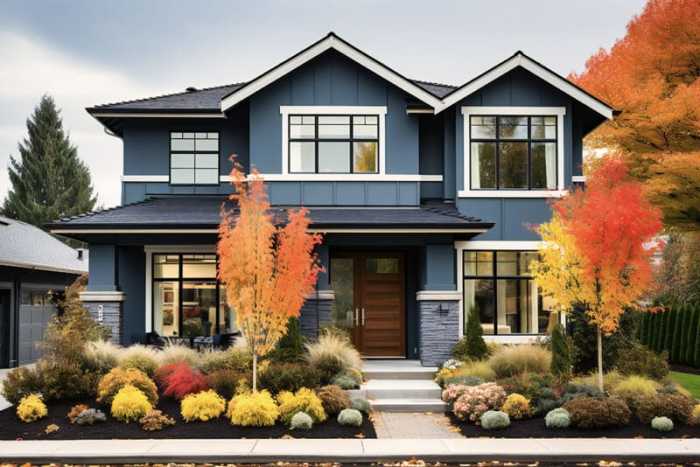
Residential exterior painting trends are constantly evolving to reflect the changing preferences of homeowners and the influence of modern architecture. Let's explore some of the popular color schemes, textures, and finishes being used in residential exterior painting.
Popular Color Schemes for Residential Exteriors
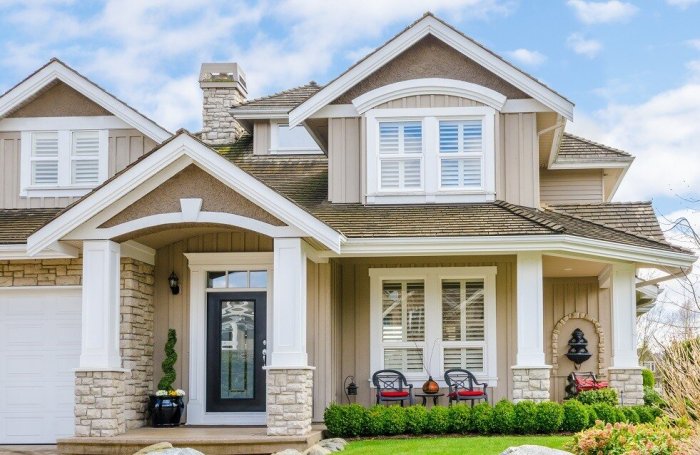
- Neutral tones: Shades of gray, beige, and taupe continue to be popular choices for residential exteriors, providing a timeless and elegant look.
- Earthy hues: Colors inspired by nature such as greens, blues, and browns are gaining popularity, creating a calming and inviting exterior.
- Bold accents: Homeowners are adding pops of color with vibrant hues like deep blues, rich reds, and dark greens to create a striking visual impact.
Influence of Modern Architecture on Exterior Paint Trends
Modern architecture plays a significant role in shaping exterior paint trends, with sleek lines and minimalist designs influencing color choices and finishes.
- Monochromatic palettes: Modern homes often feature monochromatic color schemes with variations of a single color, creating a cohesive and contemporary look.
- Contrasting elements: Contrasting colors or finishes are used to highlight architectural details and add visual interest to modern exteriors.
Unique Textures and Finishes in Residential Exterior Painting
- Textured finishes: Textured paints like stucco or stone effects are being used to add depth and character to residential exteriors, enhancing curb appeal.
- Metallic accents: Metallic finishes are gaining popularity for accents and trim details, adding a modern and luxurious touch to exterior surfaces.
Eco-Friendly Options in Residential Exterior Painting
When it comes to residential exterior painting, more homeowners are opting for eco-friendly options to minimize their environmental impact and promote sustainability. Using environmentally friendly paint options not only benefits the planet but also ensures a healthier living environment for residents.
Benefits of Using Eco-Friendly Paint
- Low VOC Paint: Volatile Organic Compounds (VOCs) are harmful chemicals found in traditional paints that can off-gas and contribute to indoor air pollution. Opting for low VOC or zero VOC paints reduces harmful emissions and improves indoor air quality.
- Biodegradable Paint: Some eco-friendly paints are made from natural ingredients like plant oils, resins, and minerals, making them biodegradable and non-toxic. These paints are safe for both residents and the environment.
- Energy Efficiency: Reflective eco-friendly paints can help reduce energy consumption by reflecting sunlight and heat away from the building, resulting in lower cooling costs during hot weather.
- Durable and Long-Lasting: Eco-friendly paints are formulated to be durable and long-lasting, reducing the frequency of repainting and minimizing waste over time.
Sustainable Painting Practices
- Surface Preparation: Proper surface preparation, including cleaning and priming, ensures better adhesion and longevity of the paint, reducing the need for frequent repainting.
- Water-Based Paints: Water-based eco-friendly paints are becoming increasingly popular for their low odor, easy cleanup, and minimal impact on the environment compared to solvent-based paints.
- Recycled Paint: Some companies offer recycled paint made from unused paint leftovers, reducing waste and promoting a circular economy in the painting industry.
- Local Sourcing: Choosing paint products from local manufacturers reduces transportation emissions and supports the local economy.
Technology and Innovation in Residential Exterior Painting
Technology and innovation have revolutionized the way residential exterior painting is done, making the process more efficient and visually appealing. From advanced color selection tools to innovative painting techniques, the industry has seen significant advancements in recent years.
Color Selection Technology
- Virtual paint visualizers allow homeowners to see how different colors will look on their exterior walls before making a final decision.
- Color matching devices help painters accurately match existing paint colors for touch-ups or repainting.
Tools and Equipment
- High-quality paint sprayers ensure a smooth and even coat of paint, reducing overall painting time.
- Cutting-edge ladders and scaffolding systems improve safety and accessibility for painting hard-to-reach areas.
Innovative Techniques
- Spray painting allows for faster application and a more professional finish compared to traditional brush and roller methods.
- Virtual exterior painting simulations use augmented reality technology to provide a realistic preview of different paint colors and finishes on a home's exterior.
Seasonal Considerations for Residential Exterior Painting
When it comes to painting the exterior of your home, the season can play a significant role in the outcome of the project. Different seasons offer varying conditions that can impact the paint application and drying process. Here are some seasonal considerations to keep in mind:
Best Seasons for Painting Exteriors
- Spring and fall are generally considered the best seasons for painting exteriors. The mild temperatures and lower humidity levels allow for optimal paint application and drying.
- Avoid painting in extreme temperatures, such as during the peak of summer or winter, as it can affect the paint's adhesion and even cause it to crack or peel.
- Consider starting your painting project early in the day to take advantage of cooler temperatures and avoid direct sunlight.
Preparing Exterior Surfaces Based on Seasonal Variations
- Before painting, make sure to clean the surface thoroughly and repair any damage, such as cracks or peeling paint. This step is crucial regardless of the season but becomes even more important in preparation for extreme weather conditions.
- In colder months, ensure that the surface is completely dry before painting to prevent the paint from freezing or not adhering properly.
- In warmer months, consider painting in the early morning or late afternoon to avoid the peak heat of the day, which can cause the paint to dry too quickly.
Impact of Weather Conditions on Painting Projects
- Weather conditions, such as rain, humidity, and temperature fluctuations, can significantly impact the outcome of residential exterior painting projects.
- Avoid painting during rainy or extremely humid days, as moisture can affect the paint's adhesion and lead to bubbling or peeling.
- Monitor the forecast closely and plan your painting schedule accordingly to ensure optimal conditions for a successful project.
Concluding Remarks
In conclusion, staying informed about residential exterior painting trends is crucial for achieving a modern and stylish look for your home. By incorporating eco-friendly options, embracing technology, and considering seasonal factors, you can elevate the curb appeal and longevity of your property.
Stay inspired and keep exploring the endless possibilities that exterior painting trends have to offer.
FAQ Overview
What are some popular color schemes for residential exteriors?
Neutral tones like gray, beige, and white are currently trending for residential exteriors, offering a modern and timeless look.
How can technology enhance the process of selecting exterior paint colors?
Technology allows homeowners to visualize different paint choices through virtual simulations, making it easier to make informed decisions.
When is the best season for painting exteriors?
Typically, spring and fall are ideal seasons for painting exteriors due to moderate temperatures and lower humidity levels.
What are the benefits of using eco-conscious materials in residential exterior painting?
Eco-friendly materials reduce harmful emissions, promote sustainability, and create a healthier environment for both occupants and the planet.